Vidar
Traditional Mead
Named after the Norse god of nature. Pure honey, yeast, and water — as nature intended.
Ancient Brewing Poetry
SKOAL! — A SCANDINAVIAN TOAST
Forged in the traditions of the Norse gods
Mead is not a beer, wine, or spirit — it is its own class of alcohol, believed to be the oldest alcoholic beverage known to humanity, predating both wine and beer by thousands of years.
Mead has held a pivotal place in many cultures throughout its nearly 8,000 year history. The result of fermentation — water mixed with Organic Raw Honey and Yeast yields a drink of legendary proportions.
Our Mead is made in the traditional methods, synergizing the ways of the ancients with modern yeast cultivation. Using Organic Raw Honey and selected waters from Mpumalanga, we have created something truly special.
8,000 years of mead across civilizations
Earliest evidence of mead in Northern China, pottery with fermented honey residues.
In the Rigveda, mead (madhu) is celebrated as a divine drink of the gods.
Egyptians called mead "sacred drink" — pharaohs buried with mead for the afterlife.
Greeks believed mead was Ambrosia, bestowing longevity and immortality.
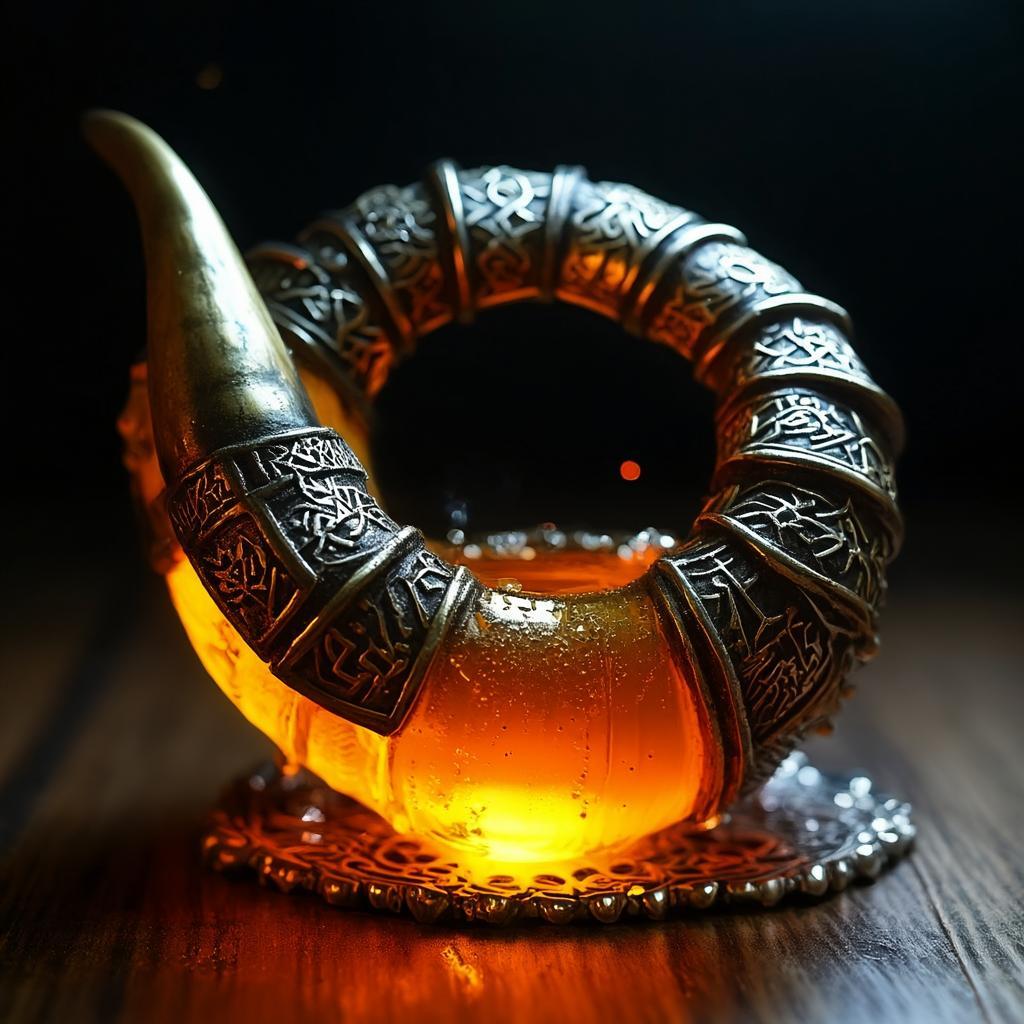
Norse warriors drank mead from horns. The Mead of Poetry granted wisdom.
The "honeymoon" tradition — mead for a full moon after weddings.
Mead is experiencing a worldwide revival with traditional and innovative styles.
Crafted with the wisdom of the ancients
Traditional Mead
Named after the Norse god of nature. Pure honey, yeast, and water — as nature intended.
Banana Mead
Inspired by divine shieldmaidens. Banana-infused mead with warrior spirit.
Rose Mead
Named after the goddess of love. Delicate rose-infused divine elegance.
Traditional Melomel
The elixir of the gods. Brewed in the traditional ways of old.
Berry-Infused Mead
Infused with forest berries. Honey backtones with cherry and blackberry.
Spiced Winter Mead
Orange, ginger and cinnamon — the flavour of winter mountains.
Click to learn more about each style
Honey, water, yeast
Mead with fruit
Honey-wine hybrid
Apple honey cider
Spiced mead
Mead-beer hybrid
Light session mead
Caramelized honey
Super sweet
Rose petal mead
Mead around the world
Traditional Xhosa honey wine brewed for centuries with roots and herbs for ceremonies.
— Southern African Tradition
Ancient honey wine with gesho leaves for bitterness, served in traditional berele flasks.
— Ethiopian Tradition
Four varieties based on honey-to-water ratio: Czwórniak, Trójniak, Dwójniak, Półtorak.
— Polish Tradition
Ancient Russian mead with hundreds of recipes, aged for decades in oak barrels.
— Russian Tradition
Celebrated in the Rigveda as the divine drink. Word survives as "honey" in many languages.
— Vedic Tradition
Viking sagas tell of mead halls where skalds recited poetry and warriors feasted.
— Norse Tradition
Wonders of the oldest fermented beverage
Evidence dates to 7000 BCE in China, predating wine and beer by millennia.
3,000-year-old honey found in Egyptian tombs was still perfectly edible.
One pound of honey needs 60,000 bees visiting 2 million flowers.
Queen Elizabeth I loved mead with rosemary and bay leaves.
Newlyweds given mead for a full moon cycle after weddings.
US meaderies grew from under 30 to over 500 since 2000.
A husband and wife's journey
We are a husband and wife team, bound by shared curiosity and love for the natural world. Neither of us cared for most alcoholic drinks — the harshness of spirits, bitterness of beer, complexity of wine. But we shared something else: an absolute love of honey.
That golden nectar always held a special place in our hearts. Its warmth, complexity, ability to transform the simplest dish — honey was magic in a jar. We collected different varieties, tasting subtle differences between wildflower, buckwheat, and orange blossom.
Then came the question that changed everything: How does mead taste? Our fascination with the Viking way led us down this path. We read of warriors drinking from horns, gods feasting in Valhalla. But we had no way of knowing what mead actually tasted like.
So we decided to make it ourselves. We gathered knowledge from books and ancient texts, adding the magic of old — tradition forged with intent. What started as a simple question between a husband and wife has become our passion and craft.
Skøal!
Raise your horn with us
Thank you for your interest. Fill in our form and we'll get back to you soon.
Whether you want to learn more, inquire about orders, or share appreciation for the ancient craft — we'd love to hear from you.
Location: Mpumalanga, South Africa